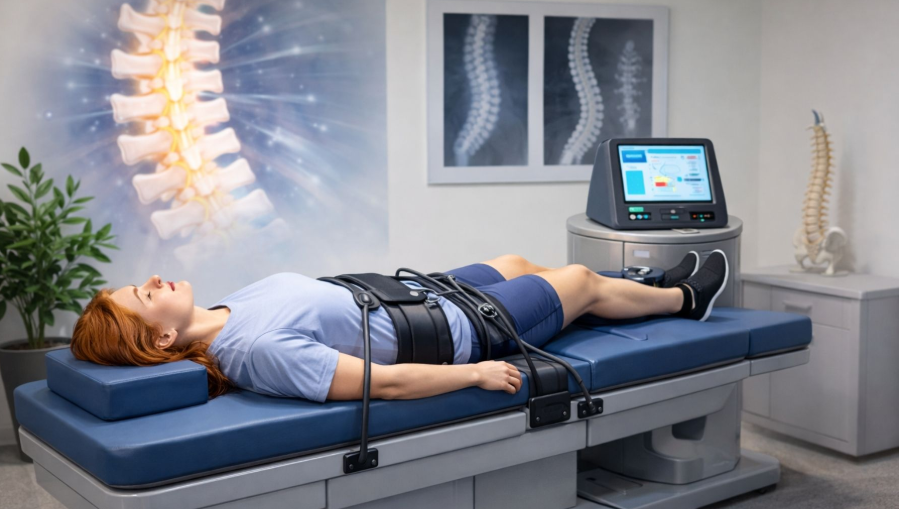
Back pain ruins everything. People spend years searching for solutions that actually work, bouncing between doctors and therapists discovering nothing sticks. Surgery seems terrifying. Medications create dependency. Physio helps temporarily then problems return. Somewhere along the journey, someone mentions spinal decompression therapy. It sounds too good to be true—a machine that somehow relieves pressure on damaged discs without cutting into your spine. Most people approach it with scepticism mixed with desperate hope. Understanding what a spinal decompression machine actually does versus exaggerated marketing claims determines whether it’s worth serious consideration. The reality proves far messier than either blind faith or complete dismissal suggests.
Clinics Profit From Desperation
Here’s what nobody wants admitting: decompression clinics are businesses. They own expensive machines and need patients justifying equipment investment. That inherent conflict of interest shapes everything. Clinics performing elaborate consultations then recommending extensive treatment plans aren’t necessarily lying, but financial incentives clearly influence their recommendations. Some places push treatment courses that seem excessive. Others mysteriously recommend shorter interventions. The variation between clinics treating identical diagnoses suggests financial thinking drives recommendations. You walk in with back pain and receive a treatment plan conveniently aligned with maximising machine usage. This doesn’t mean decompression never works, but it does mean approaching recommendations with earned cynicism.
The Disc Doesn’t Actually Retract
Marketing suggests decompression pulls herniated disc material back inside, fixing the problem. Real spinal anatomy is messier. Disc material doesn’t behave like toothpaste you can squeeze back into the tube. Once herniated, material doesn’t simply return to original position through gentle traction. What actually happens is more complicated. The traction might reduce pressure temporarily, potentially decreasing nerve irritation. That’s genuinely different from healing the disc. Pain reduction doesn’t mean structural repair. People confuse symptom relief with actual healing. Spinal decompression therapy might help you feel better without fixing anything structurally. Understanding this distinction prevents disappointment discovering you haven’t actually solved underlying problems despite feeling temporarily improved.
Selection Bias Skews Results
Clinics naturally treat patients most likely responding well. People with simple disc bulges and clear nerve compression often improve. But clinics don’t typically advertise treating patients who quit after sessions because nothing happened. Failed cases disappear from testimonials. Success stories get featured prominently. This selection bias makes results appear better than actual population averages. Someone with complex degenerative changes, multiple problem areas, or structural complications gets minimal benefit. Clinics rarely acknowledge which patients benefit versus which waste money. Looking at their testimonials tells you who succeeded, not what happens to broader patient populations.
Consistency Demands You Abandon Everything
Treatment requires attending sessions consistently for weeks or months. People with demanding jobs, childcare obligations, or limited transport struggle maintaining schedules. Missing appointments undermines effectiveness, yet life sometimes intervenes. Clinics rarely discuss this reality honestly. They present treatment as simple commitment, ignoring that many people simply can’t manage required consistency. Work obligations might prevent regular appointments. Transport difficulties might make attending sessions genuinely inconvenient. Family emergencies disrupt plans. The treatment demands aren’t realistic for everyone despite what clinics suggest. Financial burden of multiple sessions over months prevents many people accessing treatment regardless of potential helpfulness.
Combination Approaches Hide Actual Effectiveness
Legitimate clinics recommend pairing decompression with physiotherapy, posture correction, and exercise programmes. This comprehensive approach makes sense theoretically. It also makes determining what actually helped genuinely impossible. Did decompression therapy work, or did the exercise programme fix problems? What about posture changes? When multiple interventions happen simultaneously, isolating actual effectiveness becomes impossible. Clinics benefit from this confusion because they get credit for improvements potentially caused by other factors. Patients can’t determine whether purchasing expensive decompression treatment actually mattered.
Desperation Changes Decision-Making
People in chronic pain make poor decisions. They try things they’d normally dismiss because alternatives feel worse. Desperation clouds judgement. Someone suffering intensely might pursue decompression therapy knowing success rates are mediocre simply because avoiding surgery feels preferable. This isn’t necessarily wrong reasoning, but it’s important recognising how desperation influences choices. You might justify spending substantial money on dubious therapy because alternatives terrify you more.
Conclusion
A spinal decompression machine might help certain people with specific conditions when appropriate practitioners handle treatment properly. The honest truth involves admitting we genuinely don’t understand who benefits and why. Results remain unpredictable despite marketing confidence. Approaching it cynically whilst remaining open-minded represents wise strategy.