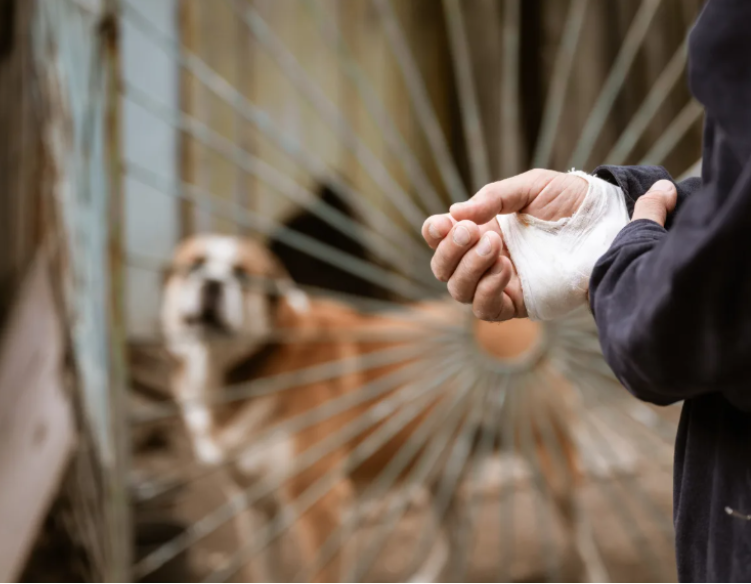
Getting bitten by a dog is a gut-wrenching experience. One minute you’re walking, and the next, you’re staring at a wound that won’t stop bleeding. If you want any hope of getting paid for your trouble, you need a dog bite lawyer on your side.
People get this wrong all the time. They think a few photos or a quick chat with the police will win the day. Don’t get me wrong, those matter. But they aren’t the real heavy hitters in your claim.
Your medical records are the backbone of your case. Everything else is just flavor text. Insurance adjusters are trained to hunt for reasons to pay you nothing, and if your charts are thin, you’re handing them a victory.
Why Documentation Matters
- Proof of the Attack: Medical charts provide an official time stamp that links your injury straight to the animal.
- The Severity Factor: You need a doctor to explain exactly how deep the tissue damage goes.
- Future Costs: Early records justify why the insurance company needs to cut a much larger check later.
- Stopping the Denials: If there is no paper trail, the defense will argue your injury happened somewhere else.
The Power of the Paper Trail
The insurance rep doesn’t know you. They don’t care that you’re in pain. They only care about what’s printed on those hospital forms. If it’s not written down by a doctor, it effectively doesn’t exist in their world.
You have to go to the doctor immediately after it happens. I know you might think it’s just a “little” bite, but dog mouths are filthy. Infections pop up fast. A doctor’s note creates a solid timeline.
Don’t downplay your misery when you’re in the exam room. If your hand is throbbing or you’re losing sleep, tell them. Let them document the struggle. It’s not complaining; it’s building the evidence you’ll need later.
Keeping the Right Documents
- Antibiotic Logs: Prove you took the bite seriously and prevented a worse outcome.
- Surgical Reports: Essential for explaining nerve damage or scarring to a judge.
- Mental Health Notes: Keep a record of the emotional toll and PTSD from the attack.
- Pharmacy Receipts: Every tube of ointment or pain pill adds up to real money.

Why Records Outlast Photos
Photos eventually get blurry or lost. But hospital charts are official. They are the “silent witnesses” that sit on a desk during negotiations. When you are quiet, those documents start doing the talking for you.
If you skip your check-ups, the defense will jump all over that. They’ll tell a jury, “If it really hurt, why didn’t they go back to the doctor?” It’s a cheap tactic, but it works unless you have the records to prove otherwise.
Some wounds look fine on the surface while nerves are dying underneath. Only a medical professional can tell you that. You need their signature on a page to show that you didn’t just walk away from a dangerous situation.
Legal Strategy and Organization
- Establishing Reasonableness: Proves you’re a responsible person who followed medical advice.
- The “Mitigation” Trap: Consistent visits prove you didn’t ignore the wound and let it get worse.
- Expert Witness Data: A pro uses these records to bring in experts for your court case.
- Clearer Estimates: It’s impossible to guess future costs without a clear history of your past care.
Additional Guidelines You Must Follow
Keep your own copies, too. Don’t leave it all up to the clinic. Build your own folder. It keeps your head straight when you’re dealing with the stress of lawyers and insurance companies. It’s a long road. You probably just want to heal and stop thinking about the dog. But your bank account depends on how well you tracked this mess from day one.
Professional firms like The Lackey Law Firm know that a messy paper trail leads to a messy result. They’ve seen it all before, and they know how to organize the truth so it’s undeniable. Don’t let them pressure you into a quick, low-ball settlement. If you have the medical records to back up your story, you’re holding all the cards. You decide what’s fair, not them.
If you’re still feeling confused, reach out to a dog bite lawyer today. They can walk you through the documents you need and help you make sure you aren’t leaving money on the table.
Frequently Asked Questions
Q. Why should I see a doctor even for a minor bite?
Bite wounds from dogs tend to result in infections deep inside the flesh. If there is no obvious skin problem, you could be having a nerve injury or infection in the muscles from bacteria. A medical report will come in handy at this point because it will serve as your shield.
Q. Can I use my own notes instead of medical records?
You should keep a personal journal, but it doesn’t replace formal medical records. Insurance companies ignore personal notes because they consider them biased. You need an objective, third-party medical professional to verify your injuries if you want to be taken seriously during a legal dispute.
Q. What if I don’t have insurance to cover the doctor visit?
Go anyway. Many clinics work on liens or payment plans for accident victims. Your legal team can help ensure these debts are handled through your final settlement. Skipping care is the fastest way to kill your case because it looks like the bite didn’t hurt much.
Q. How do medical records prove pain and suffering?
Your records aren’t just for physical wounds; they include your reports of pain levels and sleep loss. These documented details allow lawyers to put a dollar figure on your “pain and suffering,” which is a major part of the compensation you are legally entitled to receive.
Q. Will the insurance company see my entire medical history?
They will try to dig through your whole history to find unrelated issues, but they shouldn’t be allowed to. A good lawyer will limit what they see to only the records relevant to your dog bite injury, keeping your personal privacy safe from unnecessary corporate intrusion.